What is Automation Engineering Systems and How Do They Work?

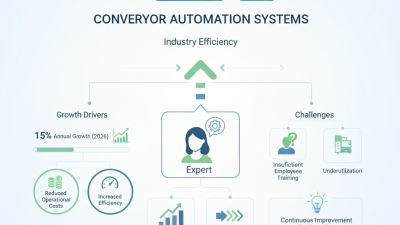
Automation engineering systems play a crucial role in modern industries. These systems streamline processes, enhance productivity, and reduce human error. According to a report by MarketsandMarkets, the automation market is expected to grow from $214 billion in 2020 to $500 billion by 2026. This growth reflects the increasing adoption of automation across various sectors.

In manufacturing, automation engineering systems can significantly increase efficiency. McKinsey estimates that automation could raise productivity by 1.4 to 2.6 times. However, the technology is not without challenges. Many companies face issues integrating these systems into existing processes. Workforce concerns also arise as automation changes job requirements.

Moreover, the reliance on automation engineering systems can lead to vulnerabilities. Cybersecurity risks escalate as more devices connect to networks. Therefore, continuous evaluation of these systems is essential. As industries embrace automation, they must balance efficiency with security. This delicate equilibrium is vital for sustainable growth in a technology-driven future.

What is Automation Engineering Systems and How Do They Work?

What is Automation Engineering Systems?

What is Automation Engineering Systems and How Do They Work?

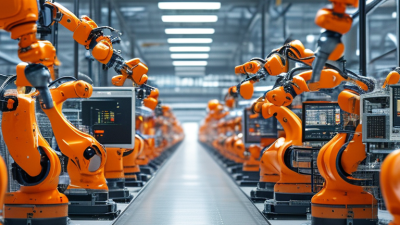
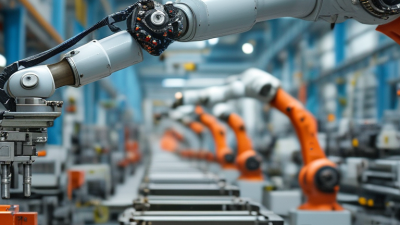
Automation Engineering Systems focus on creating efficient processes. They integrate hardware and software to streamline tasks in various industries. These systems minimize human intervention, making operations faster and safer.

In these systems, the design often involves sensors, controllers, and actuators. Each component plays a crucial role. Sensors gather data from the environment, while controllers process this information. Actuators then execute actions based on the controller's commands. It’s a seamless flow of interaction, yet sometimes it can lead to unintended consequences. Over-reliance on automation may cause skill degradation among workers.

Understanding how these systems work requires both technical knowledge and practical experience. Engineers must continually assess system performance and make adjustments. This iterative process can uncover flaws that need addressing. Continuous improvement is vital, as even the best systems can have downtime or inefficiencies. Each iteration offers lessons that refine future designs, ensuring that automation not only enhances productivity but also supports a skilled workforce.

Key Components of Automation Engineering Systems

Automation engineering systems encompass a variety of components designed to enhance efficiency and precision in various industries. At their core, they rely on sensors, controllers, and actuators. Sensors collect data from the environment, such as temperature or pressure. Controllers process this data, making decisions based on predefined algorithms. Actuators implement these decisions by moving mechanical parts or activating processes.

These three components work together seamlessly. For example, in a manufacturing plant, a temperature sensor may detect excess heat. The controller receives this information and decides to activate cooling systems using actuators. This feedback loop improves operational effectiveness. However, implementing these systems can present challenges. Interfacing between components can be complex. The integration of legacy systems with modern automation may require custom solutions.

Additionally, training personnel to operate these systems is crucial. Employees must understand both the technology and its limitations. Despite technological advancements, human oversight remains essential. Automation can reduce errors but cannot eliminate them. Ensuring that all components function together smoothly requires regular maintenance and evaluation. It’s vital to continually assess the effectiveness of automation systems and adapt them to changing needs in the industry.

Automation Engineering Systems: Key Components Analysis

How Automation Engineering Systems Function

Automation Engineering Systems are revolutionizing various industries. These systems combine hardware and software to optimize processes. According to a report by the International Federation of Robotics, global automation revenue is projected to reach $200 billion by 2024. This growth highlights the increasing reliance on technology.

These systems function through various components. Sensors gather data, while controllers process this data to make decisions. For instance, Industrial Internet of Things (IIoT) plays a vital role in connectivity. Data analytics enhance efficiency by predicting maintenance needs. Interestingly, a study by McKinsey indicates that automation can boost productivity by 20-30% in certain sectors. However, this potential raises concerns about job displacement, calling for thoughtful implementation.

Despite the advantages, challenges persist. Integration with existing systems can be complex. Many businesses struggle with the initial investment costs. A survey from Deloitte shows that only 40% of companies have fully integrated automation. This highlights the need for continuous assessment of processes. Organizations must weigh benefits carefully against potential disruptions.

What is Automation Engineering Systems and How Do They Work?

Dimension Description Function Example Technologies
Control Systems Systems that govern the operation of machines and processes. Regulate performance to maintain desired outputs. PID Controllers, PLCs
Sensors Devices that detect and measure physical properties. Provide feedback for automated systems to make decisions. Temperature Sensors, Pressure Sensors
Actuators Devices that convert control signals into physical movement. Execute actions based on system commands. Electric Motors, Solenoids
Human-Machine Interface (HMI) User interface that facilitates interaction between operators and machines. Allow operators to monitor and adjust processes. Touchscreens, Control Panels
Software Systems Programs that manage automation processes. Integrate various components and streamline operations. SCADA, MES Software

Applications of Automation Engineering in Various Industries

Automation engineering plays a vital role across various industries. It enhances efficiency and reduces operational costs. For example, in the manufacturing sector, automation systems lead to a 20% increase in production speed. Industries leverage these technologies to streamline processes and minimize human error.

In the healthcare field, automation aids in patient management. Systems track patient data and manage appointments. A report by the World Health Organization indicates that automation can reduce administrative errors by up to 50%. Despite these benefits, challenges remain. Integrating new systems can disrupt current workflows, causing temporary setbacks.

The automotive industry showcases automation's impact through robotics. These robots perform tasks like welding and painting. A survey indicates that 75% of automotive manufacturers have adopted some form of automation. However, reliance on automation also raises concerns about job displacement. Balancing efficiency and workforce needs is essential. Each industry must reflect on its approach to automation to maximize benefits while addressing potential drawbacks.

Future Trends in Automation Engineering Systems

What is Automation Engineering Systems and How Do They Work?

The landscape of automation engineering systems is evolving rapidly. Recent studies show that the global automation market is expected to reach $300 billion by 2026. This surge is driven by advancements in artificial intelligence and machine learning. Companies are integrating smart systems to enhance productivity and reduce operational costs.

Future trends indicate a shift towards more autonomous operations. Many industries are investing in robotics and IoT devices. Reports suggest that by 2025, up to 50% of manufacturing processes could be automated. However, the transition is not without challenges. There are concerns about job displacement and the need for workforce reskilling. The workforce must adapt to these changes, requiring proactive training programs.

Moreover, cybersecurity remains a significant issue. As automation systems become more connected, the risk of cyberattacks increases. This highlights the need for robust security protocols. Maintaining data integrity is crucial for companies aiming to implement automated solutions effectively. Ensuring these systems work seamlessly is essential for future success.

×
img

    Contact Info

    PHONE NUMBER

    +1 (619) 661-5985

    EMAIL ADDRESS

    sale@roboticemotion.com

    ADDRESS INFO

    10030 Via de la Amistad San Diego CA 92154, United States