In today's fast-paced industrial environment, optimizing operations is crucial. Effective material handling systems are key players in enhancing productivity and efficiency. According to a report by Grand View Research, the global material handling equipment market is expected to reach USD 202.3 billion by 2025. This growth reflects a shift towards automation and technology in logistics and warehousing.
Companies are realizing that proper material handling systems can significantly reduce operational costs. For example, integrating automated guided vehicles (AGVs) can cut labor costs by nearly 30%. Still, not all businesses have adapted. Many are stuck with outdated systems that hinder their growth. It's essential to assess current practices and explore modern solutions.
Challenges remain in selecting the right systems. Not every solution is a perfect fit for every operation. Identifying bottlenecks can sometimes be complex. Yet, comprehensive analysis and implementation of the right material handling systems can lead to substantial improvements. A careful approach is necessary. After all, efficiency is not just about adopting technology; it’s about using it wisely.

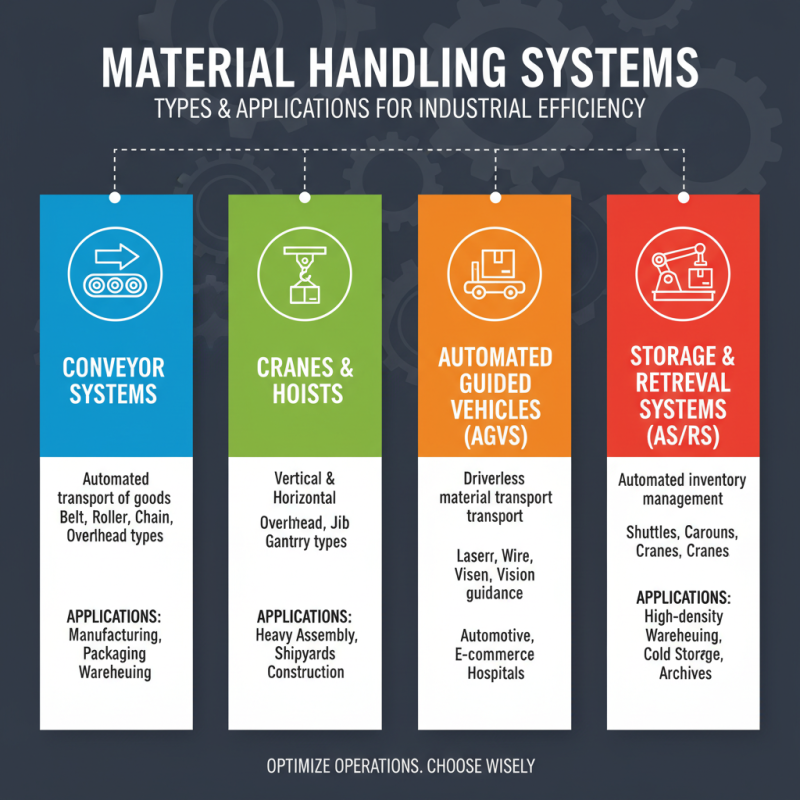
Material handling systems are essential for improving efficiency in various industries. Understanding the types of systems available can help you choose the right one for your operations.
Conveyor systems are widely used to move goods across short to medium distances. They are efficient and reduce labor costs but can be expensive to install. Automated guided vehicles (AGVs) offer flexibility in transporting items around a facility. These devices can navigate without human intervention, making them reliable but may require regular maintenance.
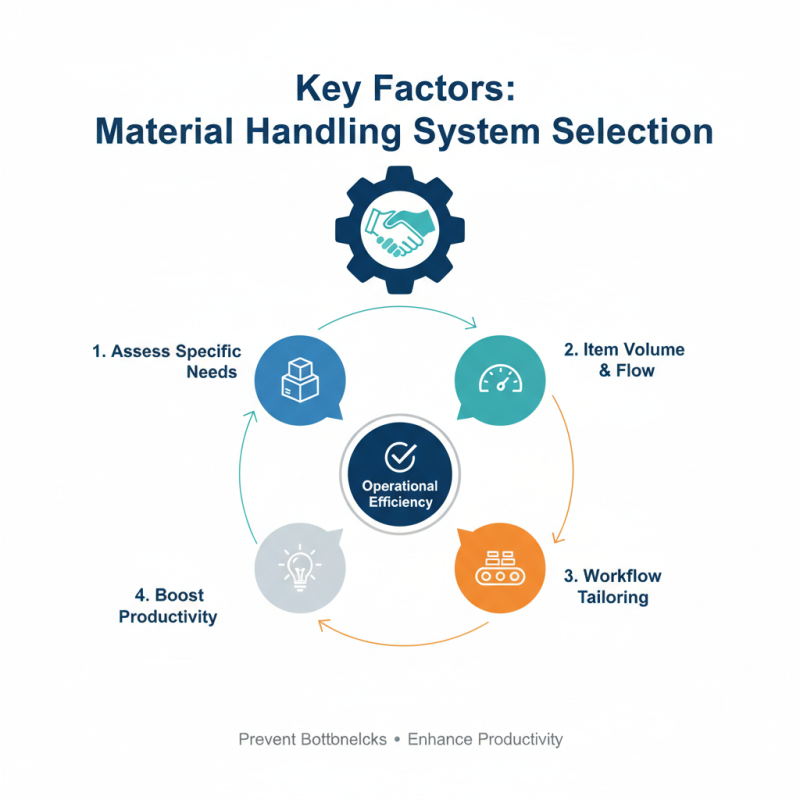
When selecting a material handling system, consider your specific needs. Evaluate the volume of goods you move daily. Also, think about your facility's layout. Proper planning can prevent costly mistakes.
Tips: Regular training for employees on equipment usage will enhance safety and productivity. Routine maintenance checks on your systems can prevent unexpected downtime. Understanding these elements leads to better decision-making.
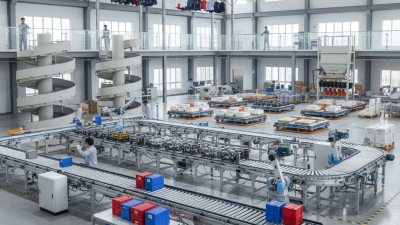
Automated material handling systems offer numerous advantages that can significantly enhance operational efficiency. These systems streamline the movement of goods, reducing the time and labor needed for typical tasks. Automation minimizes human error, which can lead to costly mistakes. With precise tracking and inventory management, companies can maintain optimal stock levels and respond to demand fluctuations.
Efficiency is evident in the reduction of manual handling. When robots and conveyor systems take over repetitive tasks, employees can focus on more strategic functions. For instance, a well-implemented system might cut processing time by half. However, not all companies adapt seamlessly to this change. Training employees to work with new technology is sometimes overlooked. Resistance to change can hinder the potential benefits, prompting companies to rethink their approach.
Another factor to consider is the initial investment. While automated systems might seem expensive upfront, they often yield long-term savings. Regular assessments of performance are vital to ensure the system meets evolving needs. Companies must remain flexible to adapt their strategies based on real-world results. Without continuous refinement, even advanced automated systems can fall short of expectations.
Choosing the right material handling system is crucial for operational efficiency. Various factors play a vital role in this decision. Start by assessing your specific needs. Understand the volume of items you handle daily. A system tailored to your workflow can prevent bottlenecks and enhance productivity.
Evaluate the layout of your facility. Space constraints can limit your options. A compact system may suit a smaller area. Consider the types of materials you manage. Different systems cater to diverse products. Some may handle heavy loads, while others excel with fragile items.
Don't overlook the user-friendliness of the system. Employees must feel comfortable operating it. Complex systems can lead to mistakes and slowdowns. Lastly, think about scalability. Your business may grow, so flexibility is key. Think ahead to avoid the need for costly adjustments later. Keep an eye on maintenance requirements too. A reliable system should not become a burden over time.
Material handling systems are evolving rapidly, integrating innovative technologies that redefine efficiency. Automated guided vehicles (AGVs) and drones are now commonplace. These tools transport materials swiftly and reduce manual labor. Companies increasingly rely on these technologies to streamline operations. Enhanced tracking systems help monitor inventory in real-time. This ensures accuracy and prevents stock issues.
Moreover, the advent of IoT in material handling enables smarter logistics. Devices connect seamlessly, sharing data at lightning speed. However, this connectivity also raises concerns about security breaches. Companies must weigh convenience against potential risks. Proper training and robust cybersecurity measures become essential.
Embracing robotics can transform workflows, but adoption comes with challenges. Not every staff member adapts easily. Resistance to change is common. Integration can be complicated and requires careful planning. Engaging employees in the transition process is crucial. Addressing these concerns can lead to smoother implementation and maximized efficiency.
Implementing material handling systems requires a strategic approach to optimize efficiency. According to a recent study by the Material Handling Industry of America (MHIA), companies that invest in automated systems can see productivity increases of up to 30%. This highlights the importance of careful planning and integration.
Effective training is vital. Workers must understand how to use new systems properly. Research shows that 60% of operational failures come from a lack of employee training. Setting clear guidelines and conducting regular training sessions can help mitigate this risk. A hands-on approach can ease the transition and build confidence among staff.
Evaluating the system’s performance is crucial. Regular reviews can identify inefficiencies and areas for improvement. Analytics can provide insights that guide adjustments. In fact, many organizations report that continuous improvement efforts yield notable time savings—often as much as 20%. Balancing immediate needs with long-term goals is challenging but necessary.
+1 (619) 661-5985
sale@roboticemotion.com
10030 Via de la Amistad San Diego CA 92154, United States
We can supply pre-cut pipes and roller tracks, with the appropriate number of joints and accessories; delivered in kit form as per your specifications.